I was so shocked by the revelation the other week that small Indian children made some of my Primark clothes. What can I do to make sure this doesn't happen again?Mary O'Keefe, London
Um, don't buy clothes that cost £3 maybe? Before anyone (ie, Primark's lawyers) get upset, I'm not saying that all cheap clothes are studded with the sweat and blood droplets of half-starved children. But to continue buying cheap-as-chips clothes and then to express shock that they are not made by happy couturiers, sewing the pieces by hand while reclining on goose-feathered pillows and chortling contentedly seems - and I really mean no offence, Mary - a touch naive, let us say euphemistically. Someone is paying the price for those clothes, my dear. And seeing as it's clearly not you, and it's unlikely to be the store (most stores tend to be a bit reluctant to sell clothes for less than they paid to have them made - they're funny like that) perhaps it's someone else. Someone around the age of 10, maybe.
It's like those diets that promise you can eat stuffed-crust pizza, pasta carbonara and deep-fried chocolate gateau and still lose weight. People, it just doesn't work like that - well, not unless the chocolate tastes like rehydrated and artificially sweetened seaweed because, well, that's what it is. And a beaded top that costs £2.50 is either going to be very badly made, sewn by people content to be paid 60p a day or has the wrong price tag on it. Guess which makes stores more money?
Of course, if one takes this argument too far then you end up saying that the only kind of clothes people should buy is couture, which really is made by the aforementioned happy couturiers (although even they might not always get to be pillow-recliners). The reason we buy cheap clothes is because most of us are not Dasha Zhukova and don't have boyfriends who buy us £50m paintings on a whim. But just as the best way to eat is to eat a normal-sized amount of half-decent food - not Michelin-starred, not greasy, battery-farmed offcuts - at reasonably spaced intervals, so the best way to shop is to buy the occasional well-made piece of clothing. Not Gucci necessarily, but something that costs more than a latte, perhaps.
And ultimately, I truly do believe it works out cheaper. Buying one dress for £75 that lasts you a good handful of years is definitely more economical than buying a new £20 dress every time you have a party because the last one didn't make it to 10pm without ripping. So, in conclusion, you'll be living with more money, better clothes and without guilt.
I think I just saw a ray of light break beyond those clothes yonder.



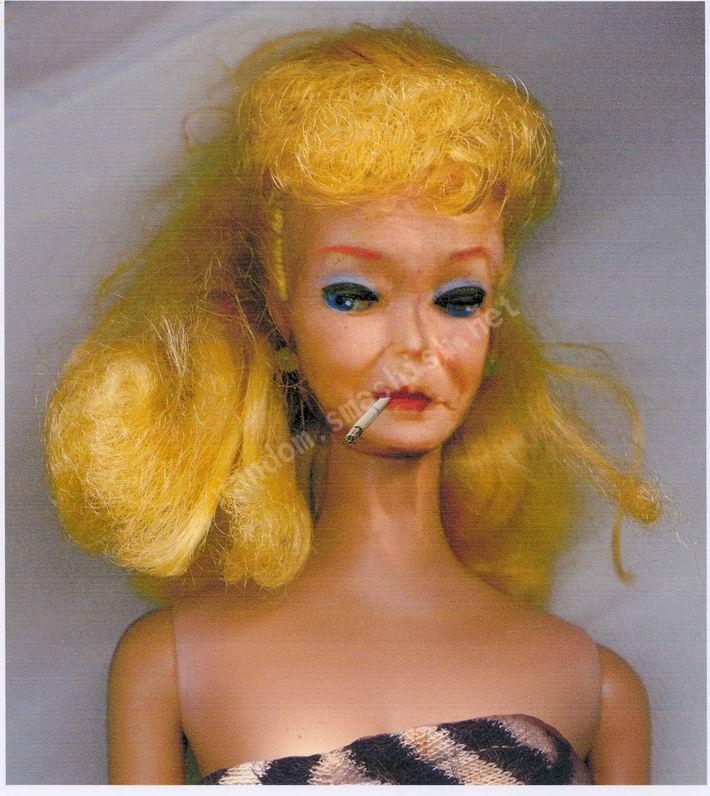


And on the subject of what a client of mine recently called with masterful understatement the "current challenging economic climate", it's up to each of us to decide how we respond. I see no reason why your rationale for making a particular purchase should not be decided by the same criteria that should always have applied: whether you can afford the item and whether you want it at that price. What does anyone else have to do with it?
You may consider that people are having trouble with meeting "basic needs", but there is a vast difference between what constitutes a "basic need" in the US and affluent West and that which might apply elsewhere in the world. Some people have never been able to meet their basic needs. Maybe I am thoroughly selfish, but I have never once considered not buying something because in India, there are children whose parents can't afford to allow them to attend school, or elsewhere people are starving. Why should it make any more of a difference that someone who never considered themselves poor before may now have difficulty buying petrol and instead may have to take the bus or suddenly can't afford a cellphone?
You could look at it the other way and say, buy the bag and take a cab home and at least you make sure that it is more likely that the sales assistant and the cabbie keep their jobs a while longer. Or not, as you please. Once you've paid your taxes, and made whatever donations to charities you consider appropriate (including perhaps those ones that supply food and/or schooling to those who can not afford it), whatever else you do is up to you. To me, a more relevant consideration is whether you get into debt because of how you spend such that you become a burden to others, than whether your spending offends someone who has less disposable income than you do since I don't really see why it's any of their business in the first place.
In the end, however and whatever you spend, a little more generosity of spirit and tolerance for each other's differences can not go amiss, don't you think?